Roof Ice Dam Removal in Tulsa, OK
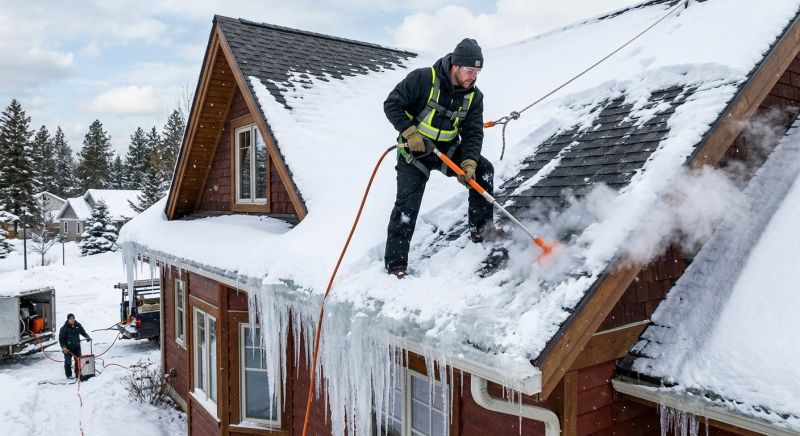
Roof ice dam removal services address the buildup of ice and snow that can form along the edges of a roof during winter months. This accumulation can prevent proper drainage, leading to water seeping under shingles, causing leaks, and potentially damaging the roof structure. These services typically cover residential properties with pitched roofs, especially in areas prone to heavy snowfall, and involve safely removing ice and snow to restore normal drainage and protect the roof’s integrity.
Homeowners considering ice dam removal often want to understand the scope of the project, including the methods used and the potential impact on their roof. It’s important to evaluate whether the roof’s design, materials, and current condition are suitable for removal techniques, and to consider any precautions needed to prevent future ice dam formation. Contacting a professional can help determine the best approach to maintain roof health and avoid costly repairs caused by ice dams.
Many property owners in Tulsa, OK look into Roof Ice Dam Removal for repairs, replacements, upgrades, and appearance-related improvements.
Understanding Ice Dam Risks
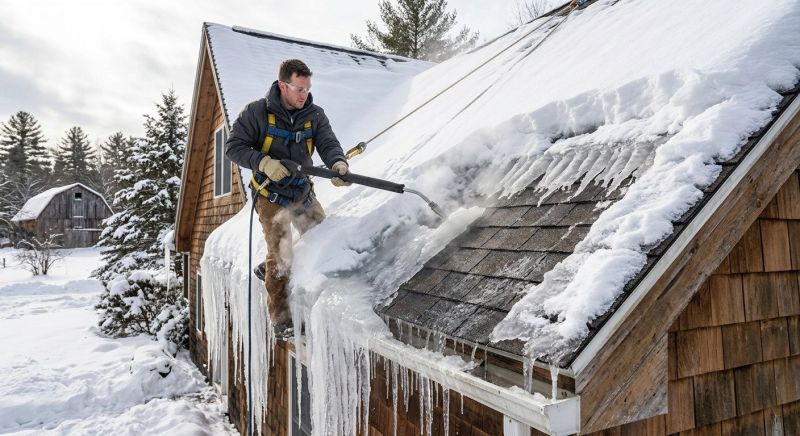
Ice dams can cause water damage and roof deterioration if not addressed promptly.
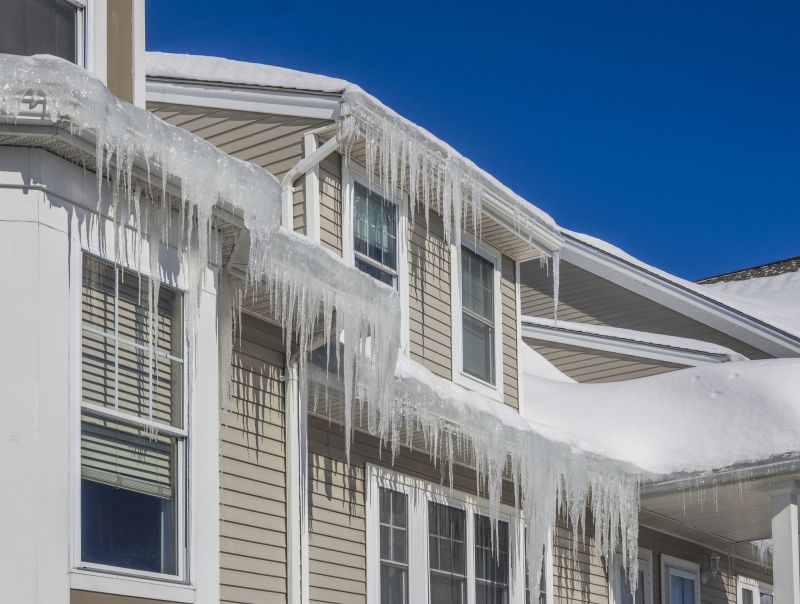
Signs Of Ice Dam Formation
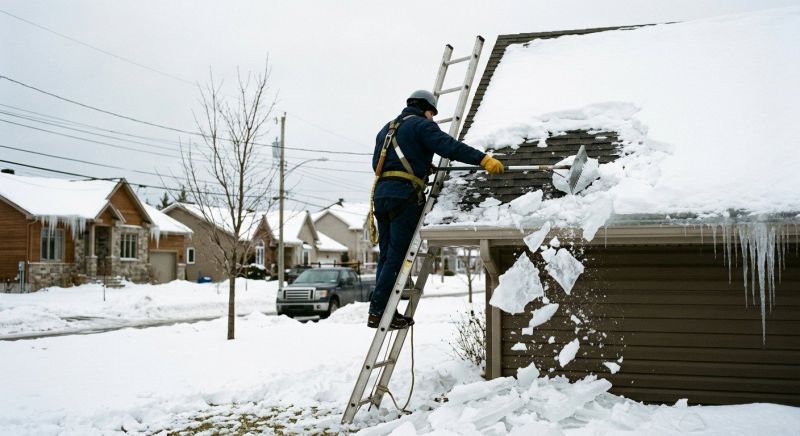
Common indicators include water leaks inside the home and the buildup of ice along the roof edge.
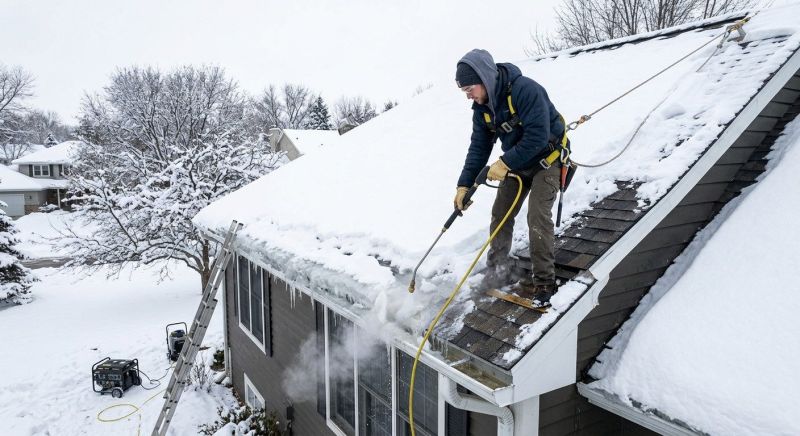
Effective Ice Dam Removal Methods
Safe removal techniques help prevent further damage and maintain the integrity of your roof structure.
Roof Ice Dam Removal in Tulsa, OK

Roof ice dam removal services address the buildup of ice and snow that can form along the edges of a roof during winter months. This accumulation can prevent proper drainage, leading to water seeping under shingles, causing leaks, and potentially damaging the roof structure. These services typically cover residential properties with pitched roofs, especially in areas prone to heavy snowfall, and involve safely removing ice and snow to restore normal drainage and protect the roof’s integrity.
Homeowners considering ice dam removal often want to understand the scope of the project, including the methods used and the potential impact on their roof. It’s important to evaluate whether the roof’s design, materials, and current condition are suitable for removal techniques, and to consider any precautions needed to prevent future ice dam formation. Contacting a professional can help determine the best approach to maintain roof health and avoid costly repairs caused by ice dams.
Many property owners in Tulsa, OK look into Roof Ice Dam Removal for repairs, replacements, upgrades, and appearance-related improvements.
Common Roof Ice Dam Removal Jobs
Roof Ice Dam Removal - Clearing ice dams to prevent water backup and roof damage.
Ice Dam Prevention - Installing barriers and insulation to reduce ice buildup on roofs.
Snow and Ice Removal - Safely removing accumulated snow and ice from rooftops.
Roof Inspection - Assessing for ice dam formation and potential water intrusion risks.
Water Damage Repair - Addressing leaks and damage caused by ice dam-related water intrusion.
Preventative Maintenance - Implementing strategies to minimize future ice dam formation.
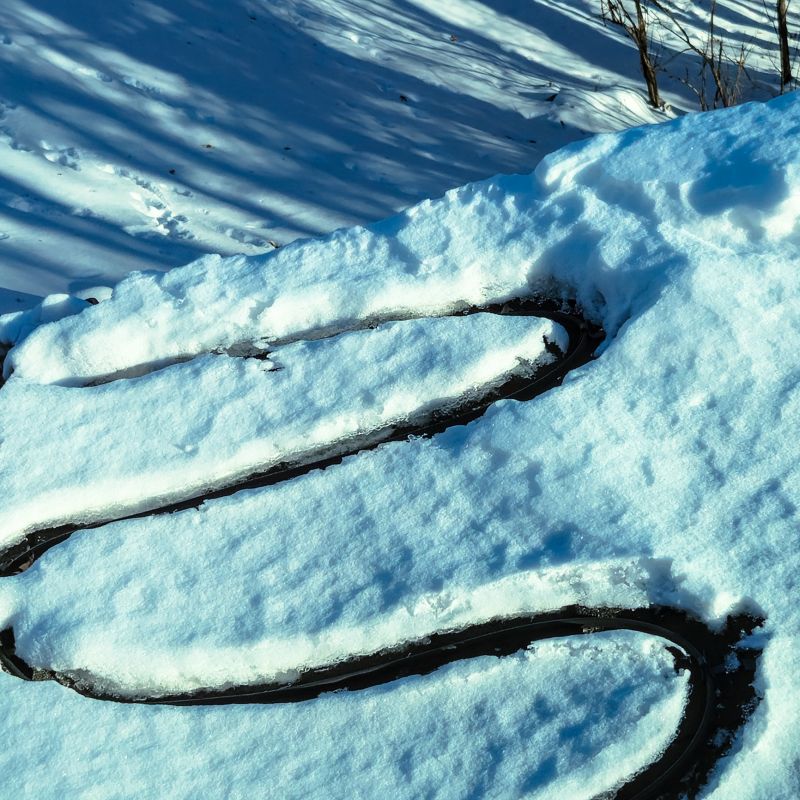
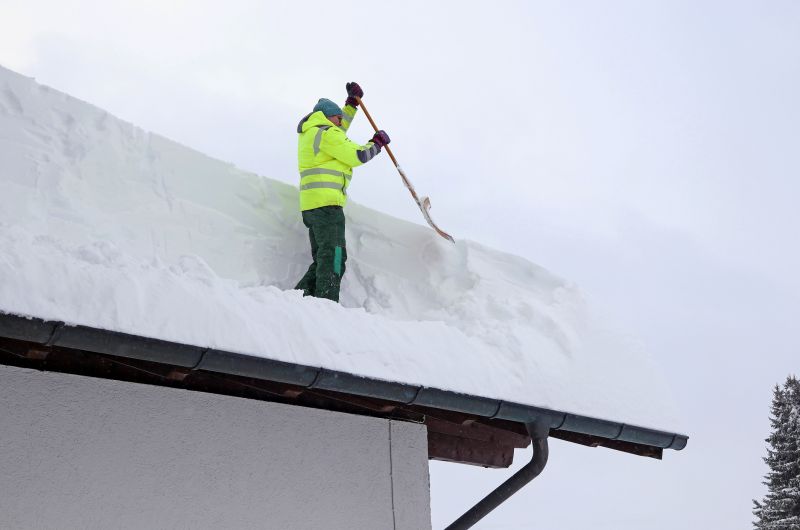
Roof Ice Dam Removal Questions
What causes ice dams on roofs? Ice dams form when warm air melts snow on the roof, which then refreezes at the edges, creating a barrier that traps additional melting snow and water behind it.
Why should ice dams be removed? Removing ice dams helps prevent water from leaking into the property, which can cause water damage, mold, and roof deterioration.
How is ice dam removal typically performed? The process often involves safely breaking up or melting the ice using specialized tools or methods to minimize damage to the roof and gutters.
When is the best time for ice dam removal? Ice dam removal is most effective when performed early in the formation process or once ice buildup begins to cause concerns about water backup.
Request Roof Ice Dam Removal in Tulsa, OK
Use the quote form on this page to share the basics of your project and request more information for the type of work you need.