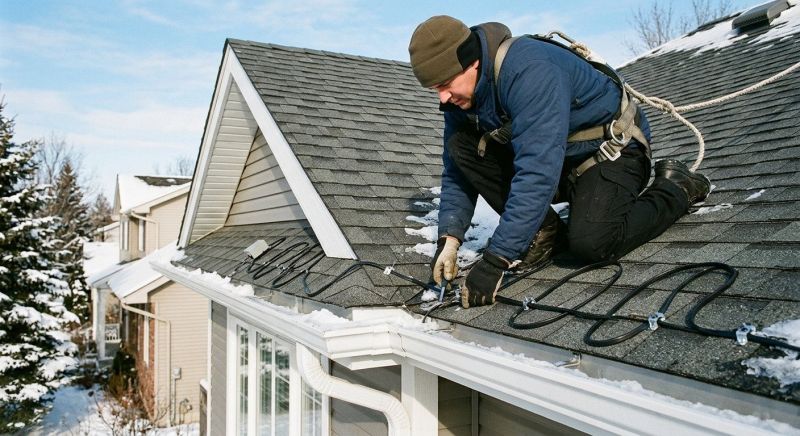
Heat Tape Installation in Puyallup, WA
Heat tape installation services provide a practical solution for preventing ice buildup and protecting property from winter-related damage. This service involves installing electrical heating cables along areas prone to freezing, such as roof edges, gutters, downspouts, driveways, walkways, and pipes. Homeowners typically request heat tape installation to ensure safe access during snow and ice conditions, reduce the risk of pipe freezing, and minimize potential damage caused by ice dams or ice accumulation.
Before requesting heat tape installation, property owners often want to understand the specific areas that could benefit from heating cables and the types of heating systems available. It’s helpful to consider the layout of the property, existing drainage or insulation issues, and the level of frost exposure. Clarifying these details can assist in selecting the most effective solution to maintain safety and prevent winter-related problems throughout the colder months.
Many property owners in Puyallup, WA look into Heat Tape Installation for repairs, replacements, upgrades, and appearance-related improvements.
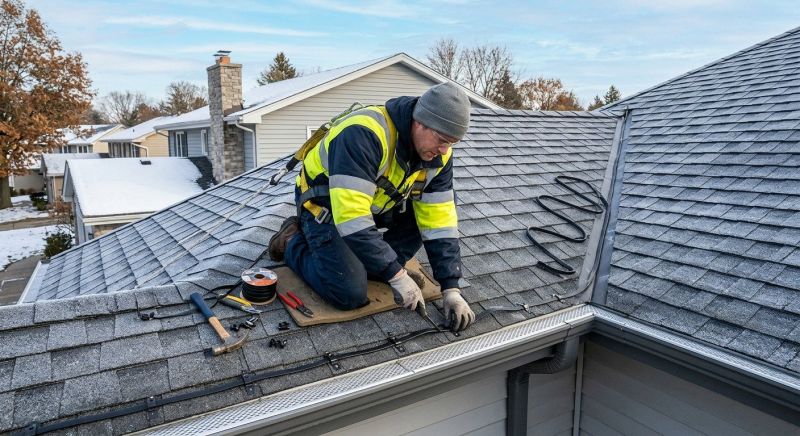
Preventing Ice Dams
Heat tape helps keep gutters and roofs clear of ice buildup during winter in puyallup.
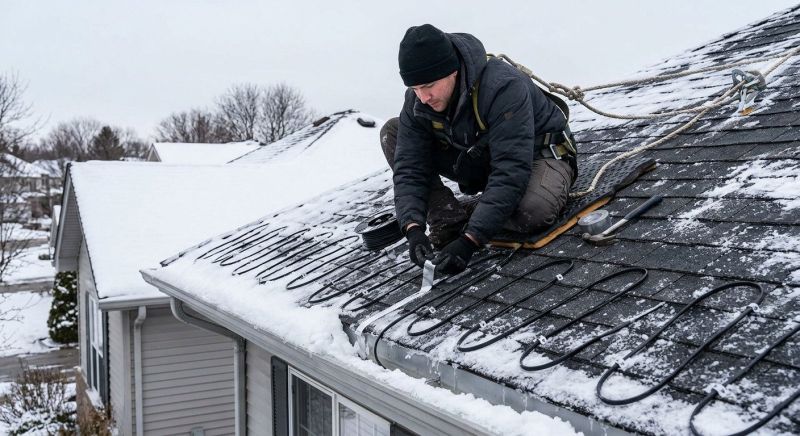
Protecting Pipes
Installing heat tape can prevent pipes from freezing and bursting in cold weather conditions.
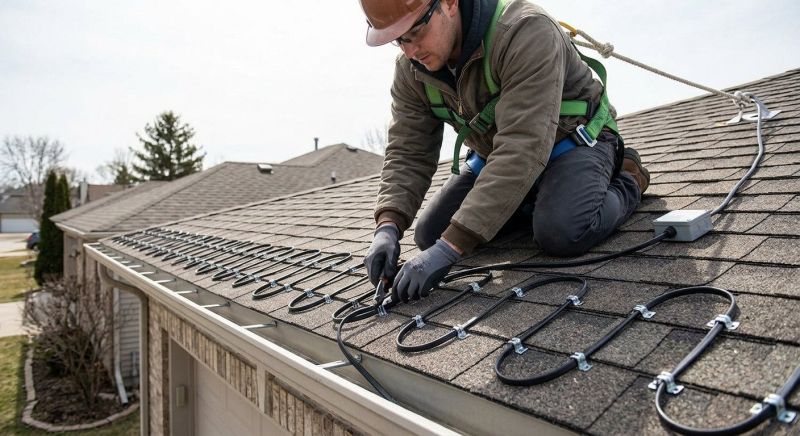
Enhancing Property Safety
Proper heat tape installation reduces slip hazards caused by ice on walkways and driveways in winter months.
Heat Tape Installation in Puyallup, WA
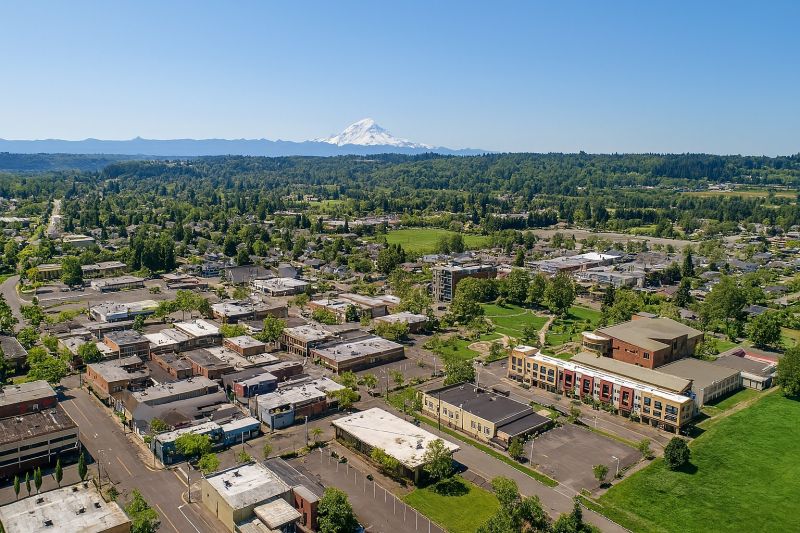
Heat tape installation services provide a practical solution for preventing ice buildup and protecting property from winter-related damage. This service involves installing electrical heating cables along areas prone to freezing, such as roof edges, gutters, downspouts, driveways, walkways, and pipes. Homeowners typically request heat tape installation to ensure safe access during snow and ice conditions, reduce the risk of pipe freezing, and minimize potential damage caused by ice dams or ice accumulation.
Before requesting heat tape installation, property owners often want to understand the specific areas that could benefit from heating cables and the types of heating systems available. It’s helpful to consider the layout of the property, existing drainage or insulation issues, and the level of frost exposure. Clarifying these details can assist in selecting the most effective solution to maintain safety and prevent winter-related problems throughout the colder months.
Many property owners in Puyallup, WA look into Heat Tape Installation for repairs, replacements, upgrades, and appearance-related improvements.
Common Heat Tape Installation Jobs
Heat Tape Installation - ensures pipes and gutters are protected from freezing during cold weather.
Roof and Gutter Heating - prevents ice dams and buildup on roof edges and gutters.
Pipe Heating - helps prevent pipe bursts by maintaining safe temperature levels.
Attic and Crawl Space Heating - reduces the risk of frozen and burst pipes in vulnerable areas.
Outdoor Pipe Heating - provides reliable protection for outdoor faucets and irrigation systems.
Custom Heat Tape Solutions - tailored installations to fit specific property needs and layouts.
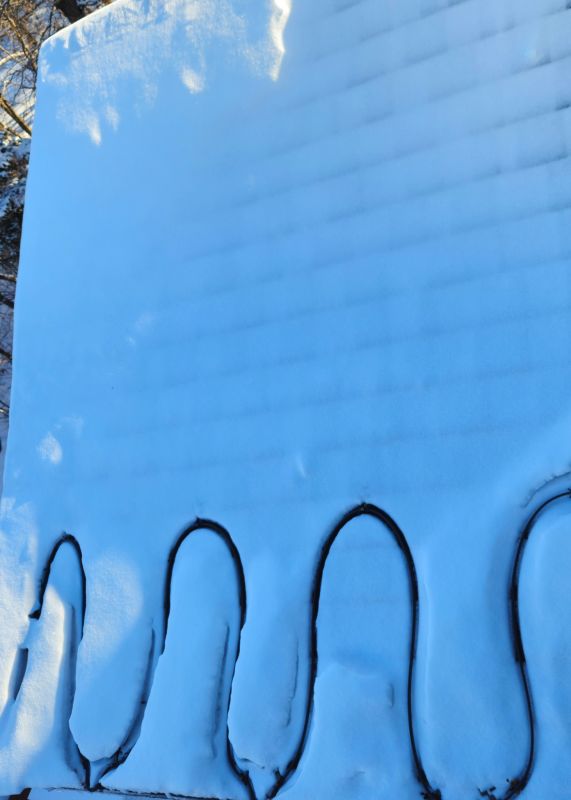
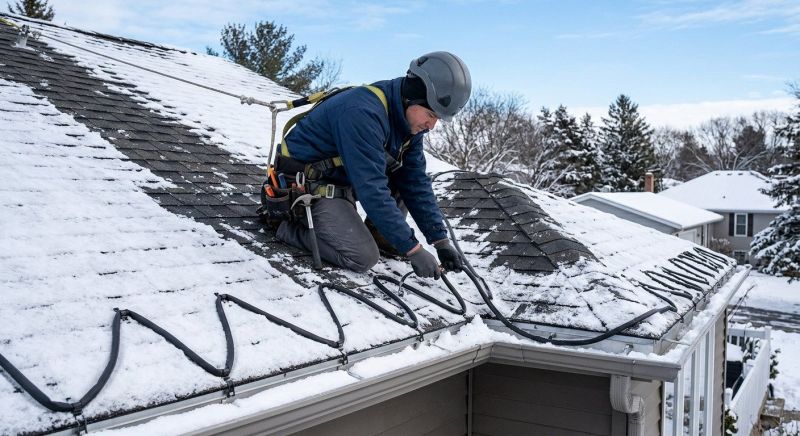
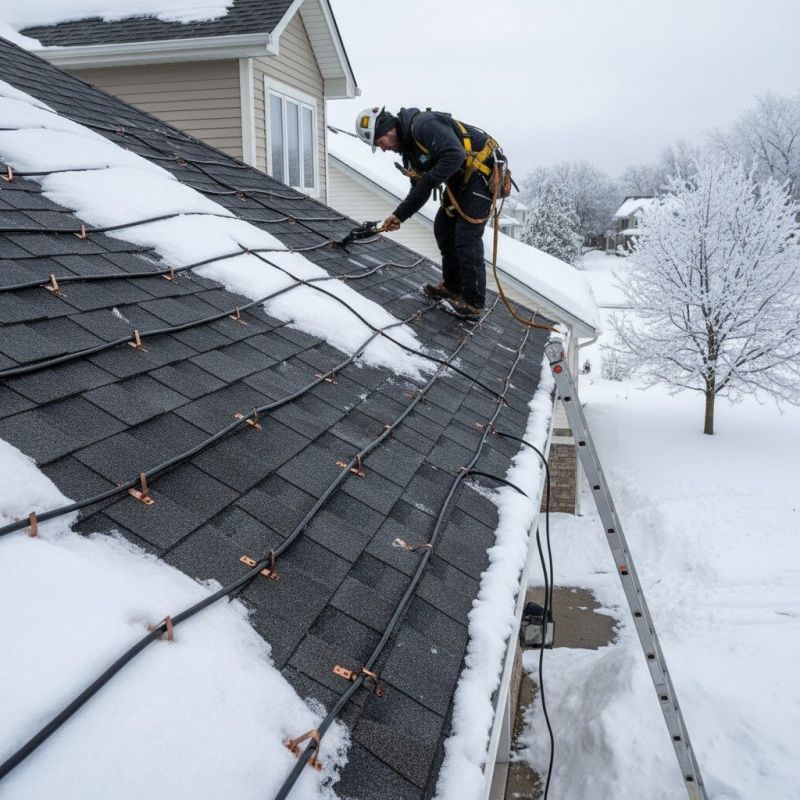
Heat Tape Installation Questions
What is heat tape used for? Heat tape helps prevent pipes from freezing during cold weather by providing targeted warmth along plumbing lines.
How is heat tape installed? Installation involves securing the heat tape along pipes and plugging it into an electrical outlet, typically done on accessible plumbing runs.
Can heat tape be used on all types of pipes? Heat tape is suitable for most residential pipes, including copper and PVC, but it's important to ensure compatibility with specific pipe materials.
What should property owners know before installing heat tape? Proper installation and insulation are key to effective performance; consulting a professional ensures safe and reliable setup.
Request Heat Tape Installation in Puyallup, WA
Use the quote form on this page to share the basics of your project and request more information for the type of work you need.